Pooper Scooper 101: New Dog Owner Guide 2026
Brought home a new puppy or adopted a rescue? A pooper scooper is one of the first tools every dog owner should own, yet it is easy to overlook amid the excitement of a new pet. In 2026, starting with the right cleanup gear and habits sets you up for years of stress-free yard maintenance. This beginner-friendly guide covers everything a first-time owner needs to know.
From choosing your first tool to building a daily routine, here is how to master pet waste cleanup from day one.
Why Every New Owner Needs a Scooper
New owners often start by grabbing waste with a bag and their hand. It works, but it is unhygienic and hard on your back. A proper scooper keeps you clean, protects your health, and makes the chore fast enough that you will actually keep up with it.
- Hygiene: keeps your hands far from waste.
- Comfort: a long handle means no bending.
- Consistency: an easy tool builds a lasting habit.
- Health: thorough removal protects your family.
A quality Pooper scooper pays for itself quickly in convenience and peace of mind. It is a small purchase that shapes your whole cleanup experience.
What Should a First-Time Buyer Look For?
Do not overthink your first purchase, but do prioritize a few essentials. A long handle, a sturdy head, and bag compatibility cover the basics that matter most.
| Feature | Why It Matters for Beginners |
|---|---|
| Long handle | No bending, easier on your back |
| Durable head | Lasts through daily puppy messes |
| Bag holder | Contain waste without touching it |
| Easy to clean | Quick rinse keeps it hygienic |
| Simple mechanism | Nothing complicated to learn |
How Do You Use a Scooper for the First Time?
It is genuinely simple. Attach a bag, approach the waste, scoop in one smooth motion, and seal the bag. Within a day or two, it becomes second nature. Puppies produce frequent small deposits, so you will get plenty of practice fast.
Building a Puppy Cleanup Routine
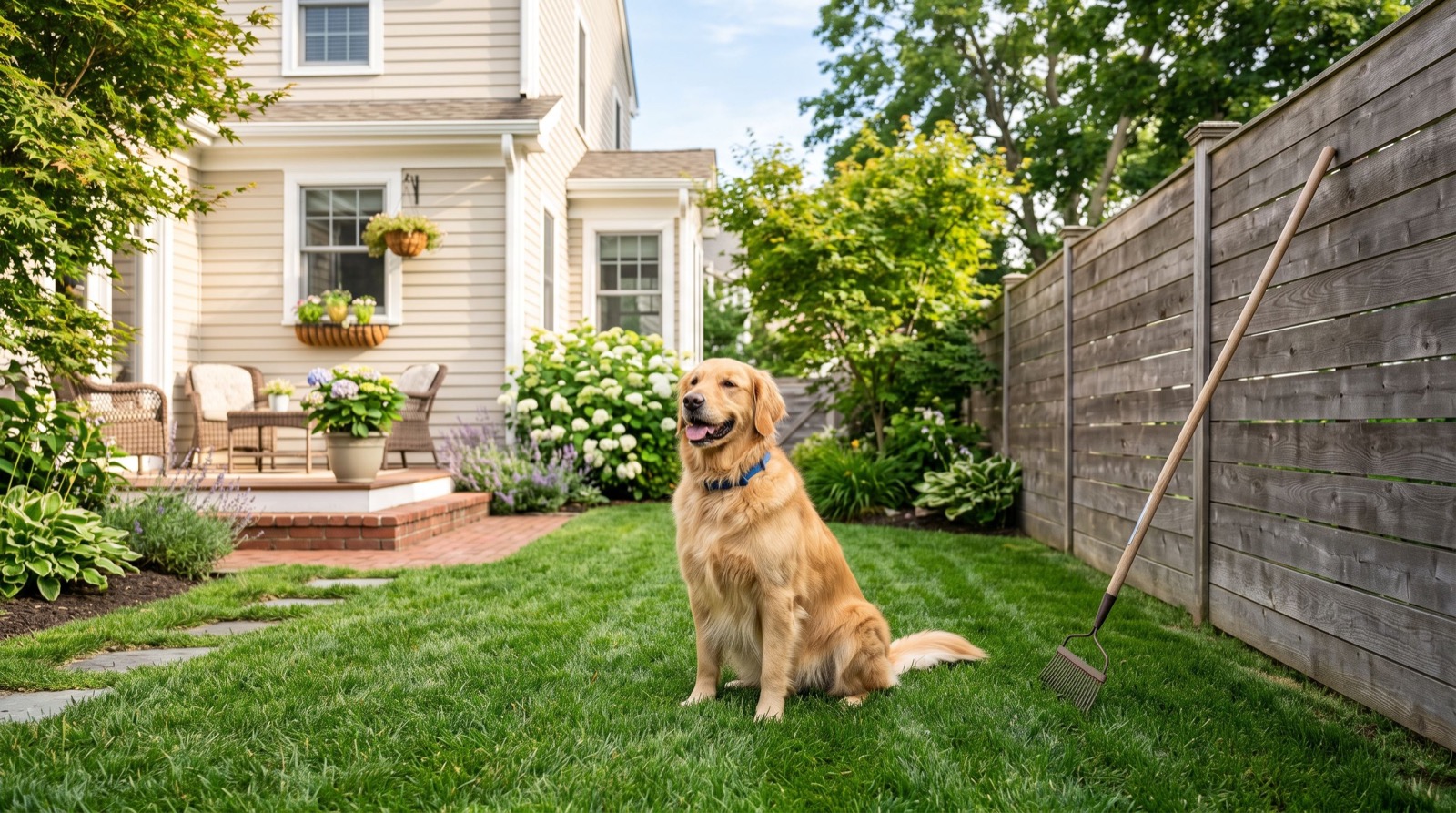
Consistency is the secret to a clean yard, especially with a growing dog. Set a simple routine and stick to it.
- Scoop after each potty trip during house-training.
- Do a full yard sweep once daily.
- Bag and seal waste immediately.
- Wash your hands even if you never touched the waste.
- Restock bags weekly so you never run out.
As your dog grows, the volume increases, so establishing the habit early makes the transition to a larger dog effortless.
Why Cleanup Matters for Health
Beyond a tidy yard, cleanup protects your family. The Centers for Disease Control and Prevention notes that pet waste can carry parasites that pass to humans, especially children who play outside. For new families with both a puppy and kids, daily removal is an important safety habit, not an optional one.
Don’t Forget the Bags
Your scooper is only half the kit. Puppies grow into bigger dogs, so investing in tough, leak-resistant bags early saves headaches later. A supply of heavy Dog duty Bags keeps waste contained cleanly whether your pup is tiny now or a big dog soon. Buying in bulk is cheaper and means you are always stocked.
If you are unsure what to buy for your new dog, experienced local team members at a good supplier can recommend the right starter kit. A quick chat helps you avoid buying the wrong size twice.
Cleanup and House-Training Go Together
New owners often miss how closely cleanup and house-training are linked. A clean potty area actually reinforces good habits, because dogs prefer to relieve themselves away from existing waste. Letting deposits accumulate confuses a puppy learning where to go and can slow the whole training process.
Prompt scooping also lets you monitor your puppy’s health. Changes in waste consistency or frequency are early signals worth noticing, and you only catch them if you are cleaning regularly. In that sense, a good scooper is not just a tidiness tool; it is part of caring for a young dog’s wellbeing during the crucial first months.
What Should You Watch for While Cleaning?
As you scoop, take a quick glance at what you are picking up. Consistency, color, and frequency all tell you something about your puppy’s diet and health. Persistent looseness, unusual color, or visible foreign objects are worth mentioning to your veterinarian. This simple daily observation, built right into your cleanup routine, helps you catch small issues before they become big ones.
A Beginner’s Cleanup Shopping List
Starting out, you do not need much, just the essentials done right.
- A long-handled scooper sized for your growing dog.
- Durable waste bags that resist tearing.
- A leash-clip dispenser for walks.
- A sealed outdoor bin for temporary storage.
- Hand sanitizer to keep the routine hygienic.
Frequently Asked Questions
When should I start scooping after getting a puppy?
From day one. Establishing the habit early keeps your yard clean and builds a routine you will maintain as your dog grows. Frequent cleanup also supports house-training by keeping the potty area tidy.
What is the easiest scooper for beginners?
A long-handled scooper with a simple grip mechanism and a bag holder is the easiest to learn. It keeps you clean, spares your back, and requires no complicated technique to master.
How often should a new owner clean the yard?
Daily at minimum, and more often during house-training when puppies go frequently. Consistent removal prevents odor, protects your lawn, and keeps the area safe for kids and the puppy alike.
Do I need special bags for a small puppy?
Standard bags work for a puppy, but buying durable bags early means you are ready as your dog grows. Investing in quality from the start saves you from upgrading later.
Conclusion
A pooper scooper is a small but essential purchase for every new dog owner. Choose a simple, long-handled tool, pair it with quality bags, and build a daily cleanup habit from the start. In 2026, getting these basics right means your yard stays clean, your family stays healthy, and pet ownership starts on the right foot.