Ask an event manager what made their last show a success and you will hear about the speakers, the stand design, the turnout. Ask what nearly ruined it, and the answer is almost always logistical: the backdrop that arrived creased, the crate nobody could locate, the truck stuck in a loading queue while the hall filled with guests. Behind every polished exhibition sits an unglamorous supply chain of booths, banners, furniture, AV flight cases, and giveaway stock — and that chain is only as strong as the place where all of it lives between shows.
Saudi Arabia’s events calendar has become dense enough that agencies, exhibitors, and corporate marketing teams frequently run several activations in a single quarter, often in different cities. This piece looks at the half of event planning that never appears on stage: how to store, stage, and move physical assets so that setup days feel routine instead of heroic.
The Question Every Planner Forgets to Ask
Briefs cover the venue, the build, the schedule, and the budget, yet almost none of them answer a simple question: where does everything go afterwards? Teams that skip it end up deciding at midnight on teardown day, exhausted, with a truck idling outside. That is how a fifty-thousand-riyal stand ends up leaning against a wall in someone’s office, how rolled banners get stored standing on their print edge, and how the answer to “do we still have that counter?” becomes a shrug.
Deciding the destination before the event, and writing it into the run sheet, changes teardown from improvisation into a fifteen-minute loading exercise. It also changes what you own from a pile of things into an inventory you can plan future events around.
Every Event Asset Has a Life Cycle — Plan for All of It
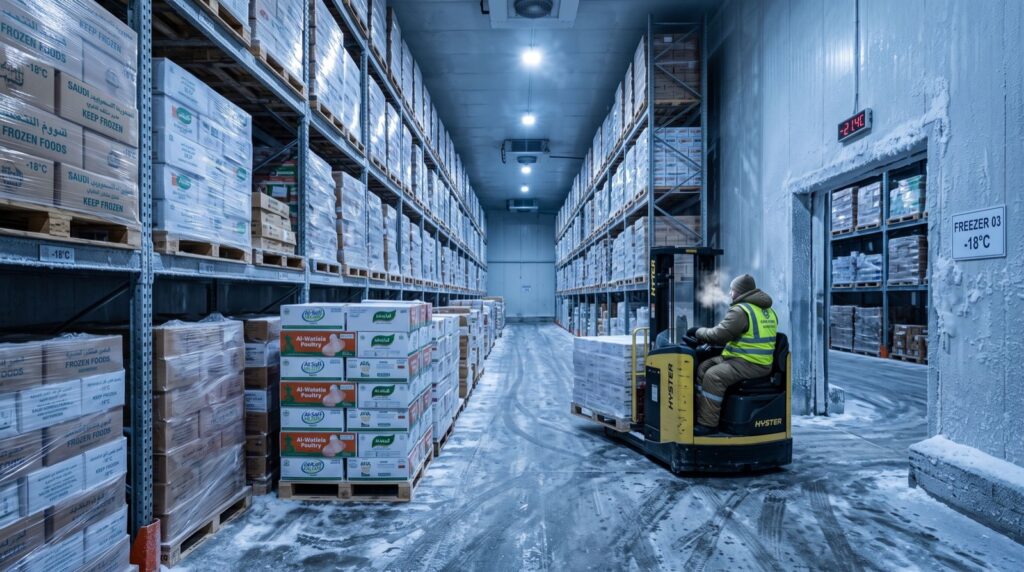
A booth is designed, fabricated, exhibited, dismantled, transported, stored, refurbished, and exhibited again. Most teams plan the first four stages carefully and leave the rest to chance, which is why so many assets only survive a single outing. Purpose-designed Storage for Event & Exhibition closes that loop: modular panels, lighting rigs, furniture, and branded structures are held in secure, suitable conditions, catalogued so you know exactly what exists and what condition it is in.
The catalogue is the underrated part. When your storage inventory lists every panel, cable, and counter with photographs, planning the next activation starts with a shopping list of what you already own instead of a blank fabrication quote. Teams that work this way routinely find that their second and third events cost a fraction of their first.
Rebuilding What You Already Own Is the Most Expensive Habit in Events
Talk to fabricators and they will admit that a surprising share of their orders are rebuilds of structures the client technically still owns — somewhere. The original was stored in a basement that flooded, or a corridor where it got scratched beyond presentability, or it simply cannot be found in time to refurbish. Rebuilding a custom stand can cost ten to twenty times what a year of proper storage would have, and that is before counting the design hours and the schedule risk of fabricating under deadline.
The arithmetic rarely gets done because storage is an ongoing line item while rebuilds feel like one-off emergencies. Put both numbers side by side once, and the case usually settles itself in a single meeting.
The 48 Hours Before Doors Open
Setup windows at busy venues are short and strictly scheduled, so the real preparation happens at the storage facility in the two days prior. Well-run teams pre-stage: crates are packed by venue zone rather than by item type, each is labelled with its destination on the floor plan, and the truck is loaded in reverse order of unloading so the first thing off is the first thing needed. Tools, fixings, and spare graphics travel in a clearly marked kit that never gets buried.
Storage that supports this way of working — with loading access, room to lay items out, and flexible collection times — effectively becomes an extension of your production schedule. Storage that is merely a locked room becomes the bottleneck you rediscover at every show.
Covering the Eastern Province Without a Convoy
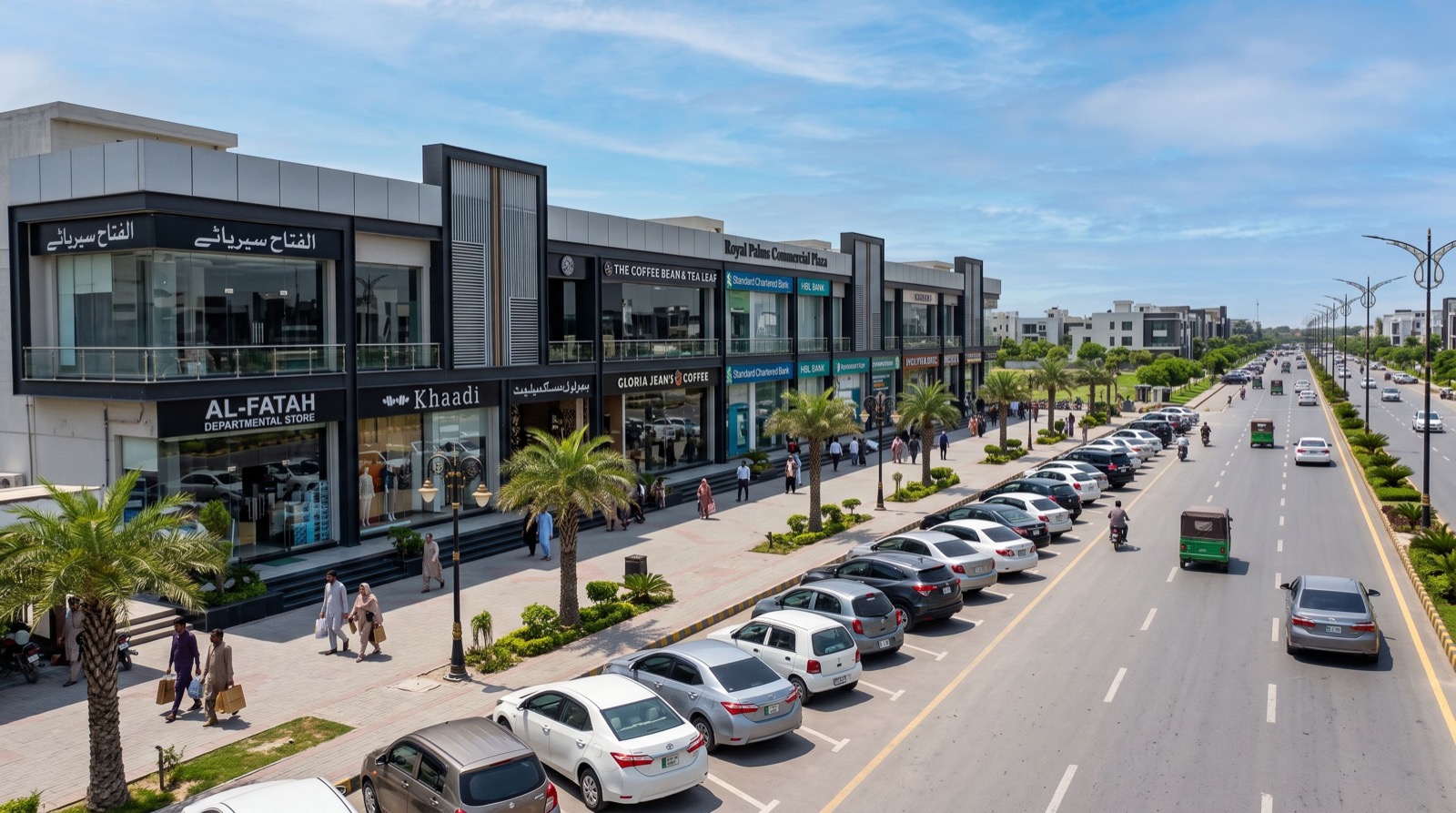
As exhibitions and corporate activations multiply in Dhahran, Khobar, and Dammam, teams based elsewhere face a choice: truck a full kit across the country for every regional event, or position assets closer to where they will be used. Long hauls add freight cost, transit damage, and a full day each way; in summer, an unventilated trailer can also cook adhesives, warp laminated panels, and ruin printed media before anyone unpacks them.
Keeping a regional kit in Ambient Storage in Dammam solves both problems at once: assets sit minutes from Eastern Province venues in a temperature-managed environment that protects sensitive materials between shows. A duplicate set of core items — frames, basic furniture, generic branding hardware — stationed regionally often pays for itself within two or three events in avoided freight alone.
The Post-Event Hour That Saves the Next One
The most valuable hour in event logistics is the one spent at the storage unit the day after teardown. Unpack, photograph, and condition-check every item while the event is fresh in memory: note the scuffed panel, the missing shelf pins, the banner that needs reprinting, the giveaway boxes that came back half full. Restock, repair, and update the inventory list, and the next event begins from a known state instead of a mystery pile.
This is also the right moment to review the partners around you — venues, transporters, printers, and storage providers. The lesson we keep returning to when covering how businesses choose an experienced local team for any specialised work applies squarely to events: proximity, proven process, and accountability after the handshake matter more than the glossiest pitch.
Key Takeaways
- Decide where every asset goes after teardown before the event starts, and write it into the run sheet.
- Plan the full life cycle of event assets — storage and refurbishment included — not just design and build.
- Rebuilding stands you already own is dramatically more expensive than storing them properly.
- Pre-stage crates by venue zone at the storage facility so setup day is execution, not improvisation.
- Position a regional kit near Eastern Province venues to cut freight costs and heat damage in transit.
- Spend one documented hour post-event checking, repairing, and cataloguing so the next show starts from a known state.
Closing Thoughts
Nobody applauds logistics. When storage, staging, and transport are handled well, the only visible evidence is a calm setup day and a stand that looks as sharp at its fifth outing as it did at its first. That invisibility is exactly why the discipline gets underfunded — and why the teams that invest in it hold a quiet advantage over competitors who rebuild, re-buy, and rediscover chaos before every show.
If your organisation exhibits more than once or twice a year, treat your event assets as the capital they are. Give them a proper home, keep an honest inventory, and build your pre- and post-show routines around that base. The next time doors open at nine and your team is drinking coffee at eight-thirty, you will know the unseen half of event planning is finally working for you.