Guest Post by The Next Gen Technologies
In today’s fast-paced world, speed and convenience are not just competitive advantages—they are baseline customer expectations. Nowhere is this more evident than in the quick-service restaurant (QSR) industry, where customers demand accurate orders, minimal wait times, and seamless experiences. The Drive Thru System has emerged as the critical infrastructure enabling businesses to meet these demands while maximizing throughput and revenue.
A drive thru system is far more than a speaker and a window. It is an integrated ecosystem of hardware, software, and operational strategies designed to optimize every step of the customer journey—from order placement to payment to food delivery. When implemented correctly, a modern drive thru system reduces wait times, increases order accuracy, enables intelligent upselling, and provides valuable data for continuous improvement.
When it comes to finding cutting-edge drive thru solutions in Pakistan and beyond, The Next Gen Technologies (visit thenextgentechnologies.com) stands as a top company. With years of expertise in restaurant and hospitality technology, The Next Gen Technologies delivers comprehensive drive thru systems that transform average operations into exceptional customer experiences.
In this comprehensive guide, we will explore what a drive thru system entails, the unique landscape of drive thru services in Saudi Arabia, and why The Next Gen Technologies is the partner you can trust.
What Is a Drive Thru System?
A Drive Thru System is a service model that allows customers to order, pay for, and receive products without leaving their vehicles. While the concept originated in the 1970s, modern drive thru systems have evolved dramatically from simple two-way speakers and cash drawers.
Core Components of a Modern Drive Thru System
Order Taking Station: This includes high-quality, noise-canceling audio systems that enable clear communication between customers and order-takers, even in noisy environments. Modern systems may also incorporate AI-powered voice recognition for automated order taking.
Digital Menu Boards: Dynamic, high-resolution displays that can be updated instantly with new items, promotions, or pricing changes. Advanced systems integrate real-time weather or time-of-day adjustments to suggest appropriate items.
Order Confirmation Displays: Screens facing the customer that show their order as they speak it, reducing errors and increasing customer confidence.
Point of Sale Integration: Seamless connection between the order-taking station and the restaurant’s POS system, ensuring orders flow instantly to kitchen displays.
Timing and Analytics Systems: Sensors that track vehicles from entry to exit, measuring wait times, service times, and identifying bottlenecks.
Payment Processing: Integrated card readers and contactless payment options for rapid transactions.
Kitchen Display System (KDS): Screens in the kitchen that show incoming orders, routing items to appropriate preparation stations automatically.
Traditional System vs. Modern Solution
It is important to distinguish between a basic drive thru system and a comprehensive drive thru solution. A traditional system provides the basic infrastructure—speaker, menu board, windows. A modern drive thru solution incorporates advanced technologies like AI, automation, and data analytics to enhance efficiency, speed, and customer engagement.
The Next Gen Technologies delivers comprehensive drive thru solutions that integrate all these components into a single, easy-to-manage platform. Their systems are reliable, scalable, and designed for the unique demands of high-volume operations.
Drive thru System in Saudi Arabia: Meeting Vision 2030 Goals
The Kingdom of Saudi Arabia presents a rapidly growing market for drive thru services. As the country pursues Vision 2030—with its focus on digital transformation, quality of life, and economic diversification—the demand for efficient Drive thru System in Saudi Arabia solutions has skyrocketed.
Why Saudi Arabia Is a Key Market
Extreme Climate Considerations: With summer temperatures regularly exceeding 45 degrees Celsius, customers strongly prefer to stay in their air-conditioned vehicles. Drive thru services are not a convenience in Saudi Arabia—they are a necessity.
Post-Pandemic Behavioral Changes: The COVID-19 pandemic accelerated the adoption of contactless and minimal-interaction service models. Drive thru systems became a preferred channel for health-conscious consumers.
Car-Centric Lifestyle: Saudi Arabia has one of the highest car ownership rates per capita in the world. More cars on the road mean more potential drive thru customers—and more competition for their business.
Growing QSR Sector: International and local fast-food chains are expanding rapidly across the Kingdom, from Riyadh to Jeddah to Dammam. Each new location requires optimized drive thru operations to compete effectively.
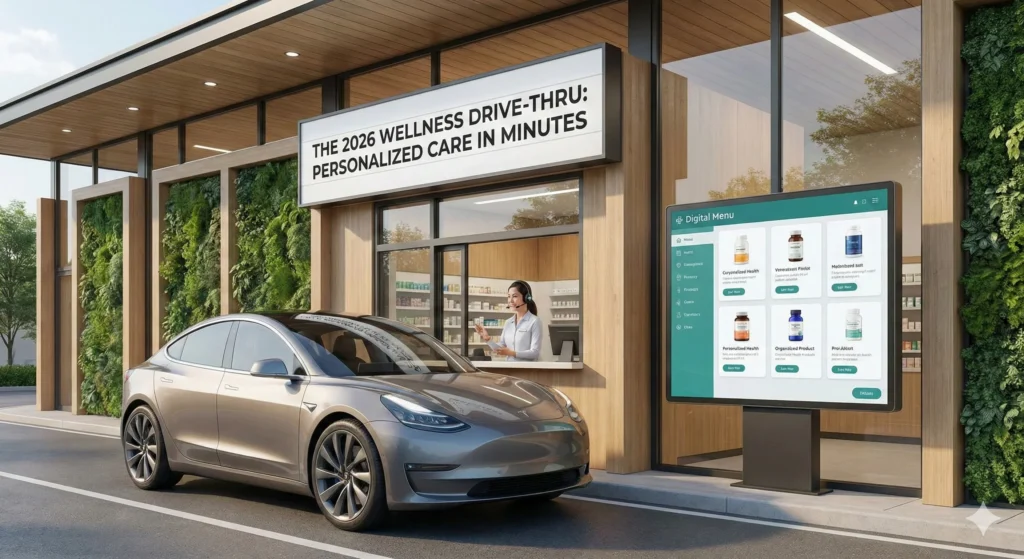
Expansion Beyond Fast Food: Drive thru systems are no longer limited to burgers and coffee. Pharmacies, banks, grocery stores, and even healthcare providers are adopting drive thru models in Saudi Arabia.
Alignment with Vision 2030
Drive thru technology aligns directly with several pillars of Saudi Vision 2030:
- Enhancing Customer Convenience and Satisfaction: Drive thru systems improve the quality of life by making services faster and more accessible.
- Supporting Economic Diversification: By enabling efficient retail and F&B operations, drive thru technology contributes to non-oil economic growth.
- Promoting Technological Innovation: Advanced drive thru systems incorporate AI, digital menus, and contactless payments, driving the Kingdom’s technological progress.
- Contributing to Sustainable Development: Optimized drive thru lanes reduce vehicle idling time, decreasing emissions and supporting environmental goals.
Key Cities for Drive Thru Deployment
Riyadh: As the administrative and financial capital, Riyadh has high population density and significant traffic. Drive thru systems help businesses serve customers efficiently despite urban congestion.
Jeddah: The commercial gateway to the Red Sea, Jeddah has a thriving retail and F&B sector. Drive thru services are increasingly popular among the city’s busy professionals and families.
Dammam and Al-Khobar: The Eastern Province’s industrial and commercial centers are seeing rapid adoption of drive thru technology across multiple sectors.
The Next Gen Technologies: Your Drive Thru System Partner
With numerous vendors offering drive thru equipment, The Next Gen Technologies stands apart as a top company for several compelling reasons:
Proven Expertise
The Next Gen Technologies specializes in technology solutions for the restaurant, hospitality, and retail industries. Their portfolio includes Point of Sale systems, customer feedback solutions, people counting systems, and—critically—drive thru timer and audio systems.
Comprehensive Solutions
The company offers end-to-end drive thru solutions, including:
- Drive thru timer systems for measuring and improving service speed
- Drive thru audio systems for clear, reliable communication
- Integration with POS and kitchen display systems
- Installation, training, and ongoing support
Local Presence with Global Standards
Based in Karachi and serving clients across the region, The Next Gen Technologies understands the local market while maintaining international quality standards. Their team provides responsive support and technical expertise.
Commitment to Innovation
The Next Gen Technologies continuously invests in research and development, bringing AI, analytics, and automation to drive thru operations. Their solutions are designed to evolve with emerging technologies.
Customized Approach
Every business is different. The Next Gen Technologies designs solutions tailored to your specific volume, space constraints, brand identity, and customer demographics.
Key Features of Modern Drive Thru Systems
When evaluating a Drive thru System provider, look for these essential features:
High-Quality Audio
Clear communication is the foundation of drive thru efficiency. Modern systems feature noise-canceling technology, weather-resistant speakers, and adjustable volume controls. Dual-channel systems allow order-takers to handle multiple lanes simultaneously.
Digital Menu Boards
Static menu boards are obsolete. Digital boards enable dynamic content updates, promotional messaging, and even suggestive selling based on time of day or weather conditions. Integration with the POS ensures menu accuracy and pricing consistency.
Order Confirmation Displays
Customer-facing screens that display orders in real-time dramatically reduce errors. Customers can see their order as they speak it, catching mistakes immediately. This feature also reduces the need for order-takers to repeat items back.
Timer and Analytics Systems
Sensors placed at key points along the drive thru lane measure:
- Time from order to payment
- Time from payment to food delivery
- Total service time per vehicle
- Peak hour performance metrics
This data enables managers to identify bottlenecks, adjust staffing, and improve operations.
Integration Capabilities
A modern drive thru system must integrate seamlessly with:
- Point of Sale (POS) systems
- Kitchen Display Systems (KDS)
- Inventory management software
- Customer loyalty programs
- Payment processing terminals
Open APIs allow businesses to continue using preferred third-party tools without reworking their backend.
AI-Powered Features
Advanced systems incorporate artificial intelligence for:
- Voice recognition and automated order taking
- Personalized recommendations based on order history
- Predictive inventory management
- Real-time language translation (critical for diverse markets)
Benefits of Professional Drive Thru Systems
Investing in a professional Drive Thru System delivers measurable business benefits:
Reduced Wait Times
Every second counts in drive thru operations. Professional systems streamline order taking, payment processing, and food delivery, significantly reducing total service time. Studies show that even a 30-second reduction in average service time can increase throughput by 10-15%.
Improved Order Accuracy
Miscommunication is a primary cause of order errors. Professional audio systems and order confirmation displays eliminate ambiguity, ensuring customers receive exactly what they ordered.
Increased Revenue
Faster service means more customers served per hour. Additionally, digital menu boards enable strategic upselling—suggesting add-ons, combo upgrades, or new items at the point of ordering. AI-powered systems can personalize recommendations based on customer history.
Enhanced Customer Satisfaction
Customers remember long waits and incorrect orders. A smooth, accurate, efficient drive thru experience builds loyalty and encourages repeat business.
Data-Driven Decision Making
Analytics from drive thru timer systems provide actionable insights: peak hour patterns, slowest service times, best and worst-performing staff, and customer traffic trends. This data enables continuous improvement.
Reduced Operational Costs
Automated order taking and efficient workflows reduce the need for excess staff during peak hours. Lower labor costs and higher throughput improve profitability.
Industries Benefiting from Drive Thru Systems
While QSRs remain the primary users, drive thru systems are expanding into new sectors:
Quick Service Restaurants
Traditional fast-food chains remain the largest adopters, using drive thru systems to manage high-volume, time-sensitive operations.
Coffee Shops
Coffee chains have embraced drive thru systems, recognizing that morning commuters value speed above all else during rush hours.
Pharmacies
Drive thru pharmacies allow customers to pick up prescriptions without leaving their vehicles—particularly valuable for elderly or mobility-impaired patients and during illness.
Banks
Drive thru banking has existed for decades, but modern systems incorporate advanced security features, video tellers, and integrated payment processing.
Grocery Stores
Some retailers are experimenting with drive thru grocery pickup, allowing customers to order online and collect without entering the store.
Healthcare
Clinics and laboratories are adopting drive thru models for COVID testing, flu shots, and routine blood draws, minimizing waiting room congestion.
Steps to Implement a Drive Thru System
Implementing a professional Drive Thru System requires careful planning:
Step 1: Needs Assessment
Evaluate your expected volume, available space, budget, and integration requirements. Determine whether a single-lane or multi-lane configuration is appropriate.
Step 2: Site Evaluation
Assess the physical layout of your property. Drive thru lanes require sufficient space for queuing without blocking parking or traffic flow. Consider ingress, egress, and potential bottlenecks.
Step 3: Technology Selection
Choose hardware (audio systems, timers, menu boards, confirmation displays) and software (POS integration, analytics dashboard) that meet your needs. Ensure compatibility with existing systems.
Step 4: Installation
Professional installation by experienced technicians ensures proper configuration and minimal disruption to operations. The Next Gen Technologies provides end-to-end installation services.
Step 5: Staff Training
Train staff on new workflows, including order-taking procedures, payment processing, and using analytics dashboards. Well-trained staff maximize the value of technology investments.
Step 6: Monitoring and Optimization
Use analytics data to continuously monitor performance and identify improvement opportunities. Adjust staffing, menu boards, and workflows based on data insights.
Conclusion
In an era where customer patience is limited and competition is fierce, investing in a professional Drive Thru System is essential for QSRs and other service businesses. The right system reduces wait times, increases order accuracy, boosts revenue through intelligent upselling, and provides valuable data for continuous improvement.
For businesses operating in Saudi Arabia, the stakes are even higher. Extreme climates, car-centric lifestyles, and Vision 2030’s digital transformation mandate demand solutions specifically designed for local conditions.
The Next Gen Technologies has earned its reputation as a top provider of drive thru solutions through years of exceptional service, innovative technology, and unwavering commitment to client success. Whether you are opening your first drive thru or optimizing an existing multi-lane operation, The Next Gen Technologies is the partner you need.
Visit thenextgentechnologies.com today to schedule a consultation. Learn how their drive thru systems can accelerate your business.
Frequently Asked Questions (FAQs)
Q1: What is the difference between a basic drive thru system and an AI-powered drive thru solution?
A: A basic drive thru system includes essential components like speakers, menu boards, and windows for order taking and pickup. An AI-powered drive thru solution adds advanced technologies such as voice recognition for automated order taking, personalized recommendations based on customer history, real-time language translation, predictive inventory management, and comprehensive analytics dashboards. AI solutions reduce wait times, improve accuracy, and provide data-driven insights that basic systems cannot offer.
Q2: How does a drive thru timer system work?
A: A drive thru timer system uses sensors placed at key points along the drive thru lane—typically at the order menu board, payment window, and pickup window. The system records when each vehicle passes each sensor, calculating segment times (order to payment, payment to pickup) and total service time. Managers access real-time and historical data through dashboards, enabling them to identify bottlenecks, adjust staffing, and improve overall efficiency.
Q3: Can a drive thru system integrate with my existing POS and kitchen systems?
A: Yes. Modern drive thru systems from reputable providers like The Next Gen Technologies are designed for seamless integration with most major POS systems and kitchen display systems (KDS). Integration ensures that orders placed at the drive thru menu board appear instantly on kitchen screens, routed to appropriate preparation stations. This eliminates manual data entry, reduces errors, and speeds up service.
Q4: What are the benefits of digital menu boards in a drive thru system?
A: Digital menu boards offer several advantages over static boards: real-time updates to menus, prices, and promotions; dynamic content adjustments based on time of day (breakfast vs. lunch), weather (promoting hot drinks on cold days), or inventory levels; integration with order-taking systems for seamless upsell suggestions; and the ability to display high-resolution images and videos that enhance appetite appeal. Digital boards also reduce printing costs and enable rapid testing of different menu layouts.
Q5: How does drive thru technology support Saudi Vision 2030?
A: Drive thru technology aligns with multiple Vision 2030 pillars. It enhances customer convenience and quality of life by making services faster and more accessible. It supports economic diversification by enabling efficient retail and F&B operations. It promotes technological innovation through AI, digital menus, and contactless payments. It contributes to sustainable development by reducing vehicle idling time and emissions. As Saudi Arabia modernizes its service infrastructure, drive thru systems are a key component of the transformation.