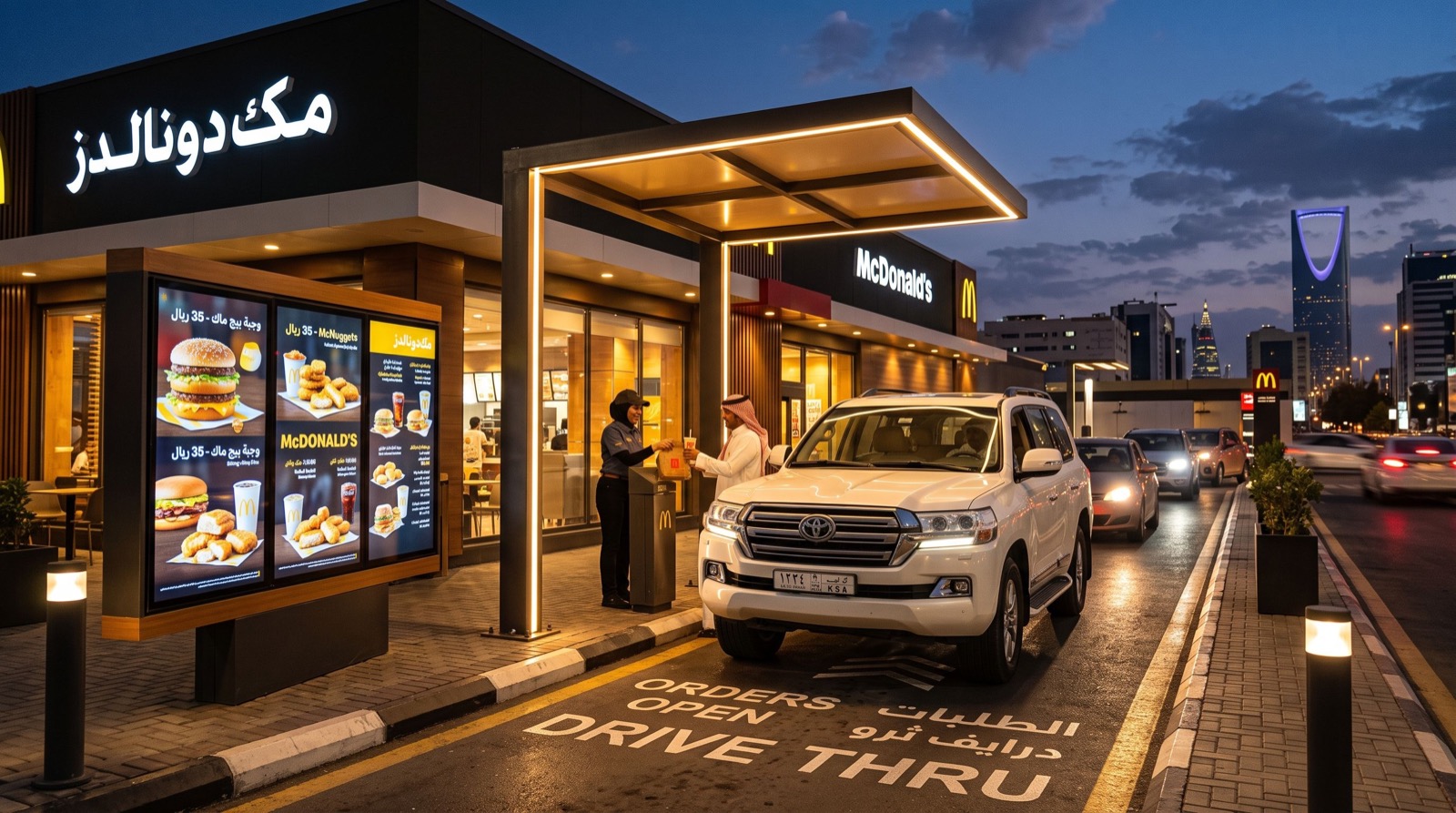
Drive-Thru Technology in 2026: Cutting Wait Times Across Pakistan and Saudi Arabia
Fast food and quick-service brands live or die on speed, and in 2026 the gap between a slow drive-thru lane and a fast one is now measured in lost sales, not just customer annoyance. Across Pakistan and Saudi Arabia, quick-service chains are rethinking how orders move from the speaker box to the pickup window, and drive-thru systems sit at the center of that shift.
This article looks at what modern drive-thru technology actually includes, why it matters for regional operators, and how it connects to the broader customer-service technology stack brands are investing in this year.
What Counts as a Modern Drive-Thru System?
A decade ago, “drive-thru technology” mostly meant a headset and a speaker box. Today the category covers a lot more ground:
- Digital order-confirmation screens customers can read before pulling up to the window.
- Wireless headset systems with noise cancellation for busy, high-traffic lanes.
- Timer and analytics software that tracks every car’s time from arrival to departure.
- Dual or triple-lane order sequencing, so two lanes can merge into one pickup window without mixing up orders.
Brands adopting Drive Thru Systems in 2026 are mostly chasing one metric above all others: average order-to-departure time, since every ten seconds shaved off that number translates into measurably more cars served per peak hour.
Why Drive-Thru Speed Became a Competitive Metric
Quick-service drive-thru performance is tracked closely by industry analysts internationally, and lane-design and order-timing research from transportation and food-service engineering bodies consistently shows that even small reductions in order-confirmation time produce outsized gains in total throughput during peak hours. That research — echoed in service-design studies published by groups like the QSR industry press — is exactly why brands now budget for drive-thru technology the same way they budget for kitchen equipment.
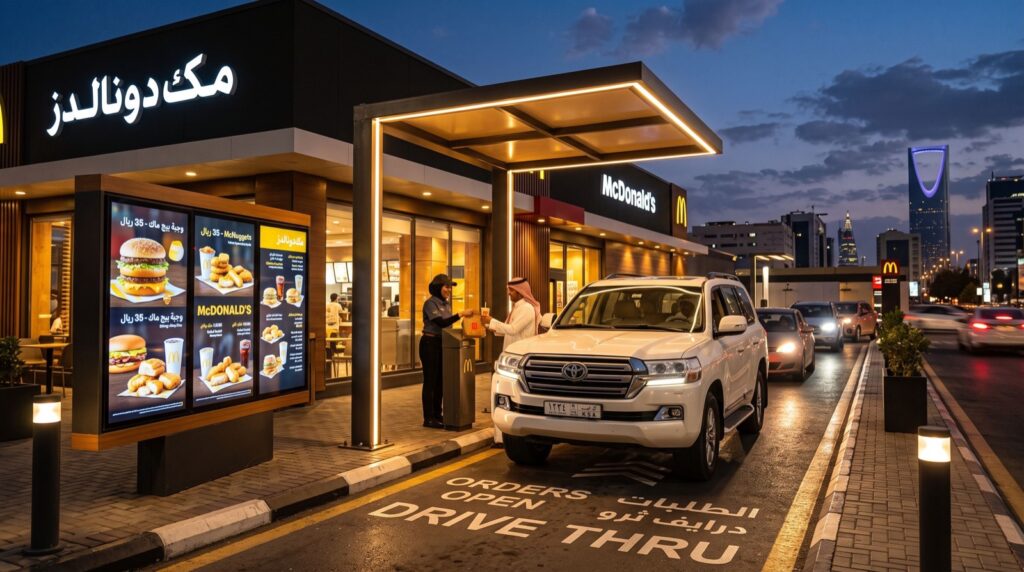
In fast-growing urban markets across Pakistan and Saudi Arabia, drive-thru lanes are often the single busiest service channel a location has, sometimes outpacing in-store counter traffic entirely during evening hours.
How Does This Connect to Queue Management Inside the Restaurant?
Drive-thru technology doesn’t operate in isolation. Many quick-service brands run a hybrid model where counter orders, delivery pickups, and drive-thru traffic all compete for the same kitchen capacity. That’s where indoor queue coordination becomes just as important as the lane outside.
Operators in Karachi managing high foot traffic alongside drive-thru lanes increasingly rely on a queue management system in karachi to keep counter orders and drive-thru tickets synchronized, so the kitchen isn’t blindsided by two order streams converging at once during a lunch rush.
Headset vs Screen-Only vs Full Dual-Lane: A Quick Comparison
| Setup | Typical use case | Speed impact | Investment level |
|---|---|---|---|
| Basic headset only | Single-lane, lower-volume locations | Moderate improvement over shouted orders | Low |
| Headset + confirmation screen | Mid-volume locations wanting fewer order errors | Noticeable drop in remake rates | Medium |
| Full dual-lane with sequencing software | High-volume urban locations, flagship stores | Largest throughput gain during peak hours | Medium-High |
Most operators start with headset-plus-screen and upgrade to dual-lane sequencing once a location consistently hits peak-hour bottlenecks — usually within the first year of strong sales growth.
What Should a Restaurant Group Budget for in 2026?
Rolling out drive-thru technology across multiple locations is a staged investment, not a single purchase. A realistic budget plan typically includes:
- Hardware costs for headsets, speaker boxes, and confirmation screens per lane.
- Software licensing for order-timing analytics and multi-location reporting.
- Installation and lane-layout consultation, especially for dual-lane conversions.
- Ongoing maintenance and headset replacement, since this equipment sees heavy daily wear.
- Staff training time, which is often underestimated but directly affects how fast the new system pays off.
Brands that treat this as an ongoing operational line item — rather than a one-time capital purchase — tend to keep their lane times competitive year over year instead of slowly drifting back toward slower service as equipment ages.
Supporting Systems: Why Back-Office Service Tools Matter Too
Fast lanes and accurate orders depend on more than just the hardware customers see. When a speaker box or kitchen display breaks mid-shift, how quickly that gets resolved determines whether the issue costs a brand ten minutes or an entire evening of slow service.
Many multi-location operators now rely on structured internal support processes — similar to the kind of quality service providers offer for technical ticketing — to log equipment faults, track repair turnaround, and make sure recurring issues get escalated instead of patched over repeatedly.
Lane Design: Why Layout Matters as Much as Hardware
Buying the right headsets and screens solves only part of the speed problem. Physical lane layout plays a bigger role than most operators expect when they first start comparing vendors.
A few layout factors consistently separate fast locations from slow ones:
- Menu board placement. Boards positioned too close to the speaker box give customers less time to decide, which slows down the ordering stage rather than speeding it up.
- Queue stacking distance. Lanes that can stack more cars before the order point reduce the chance of a backed-up line spilling onto the street during peak hours.
- Pickup window separation. Locations running dual lanes need enough separation at the merge point to avoid confusion over which car receives which order.
- Signage and lighting. Clear lane markings and adequate lighting reduce hesitation at night, when a meaningful share of drive-thru volume happens.
Operators who redesign lane geometry alongside a hardware upgrade typically see a bigger combined improvement than those who only swap equipment and leave the physical layout untouched.
Measuring Success After a Drive-Thru Upgrade
It’s easy to assume new hardware is working just because it’s new. Smart operators measure three numbers before and after any upgrade:
- Average order-to-departure time during both off-peak and peak hours.
- Order accuracy rate, usually tracked through remake or refund requests.
- Cars served per peak hour, which is the clearest proxy for actual revenue impact.
Tracking these for two to four weeks before an upgrade, then again for the same period afterward, gives a far more honest picture of return on investment than relying on staff impressions alone. Many of the sequencing platforms available in 2026 log this data automatically, which removes the need for manual stopwatch audits that older operators relied on for years.
Frequently Asked Questions
What is a drive-thru system exactly?
A drive-thru system is the combination of hardware (speaker boxes, headsets, confirmation screens) and software (order sequencing and timing analytics) used to take and manage orders at a drive-thru lane.
How much faster does a modern drive-thru system make service?
Results vary by location, but brands commonly report meaningful reductions in order-to-departure time after adding confirmation screens and sequencing software, especially at locations running two merging lanes.
Do small single-lane restaurants need this technology?
Even single-lane locations benefit from a basic headset and confirmation screen setup, since order accuracy improvements alone reduce costly remakes and customer complaints.
Can drive-thru systems integrate with indoor queue management?
Yes. Many restaurant groups run drive-thru order data and indoor queue or kitchen-display systems on connected platforms so both channels share the same order pipeline instead of competing for kitchen bandwidth separately.
Final Thoughts
Drive-thru lanes have quietly become one of the most competitive battlegrounds in quick-service retail across Pakistan and Saudi Arabia. Brands investing in better hardware, sequencing software, and reliable support processes in 2026 are the ones pulling ahead on both speed and order accuracy — two metrics that directly affect the bottom line every single shift.